Introduction
A plumbing problem can go from minor inconvenience to major property damage in a matter of hours. The challenge for many homeowners and property managers is knowing whether the issue requires an emergency plumber immediately or if it can safely wait for a scheduled repair appointment.
Making the wrong call can be expensive. Delaying a true emergency may lead to structural damage, mold growth, ruined flooring, and higher repair costs. On the other hand, paying emergency service rates for a non-urgent issue may strain your maintenance budget unnecessarily.
This guide explains how to identify the difference between a plumbing emergency and a standard repair, what steps to take before a plumber arrives, and how to verify that you're hiring a qualified professional.
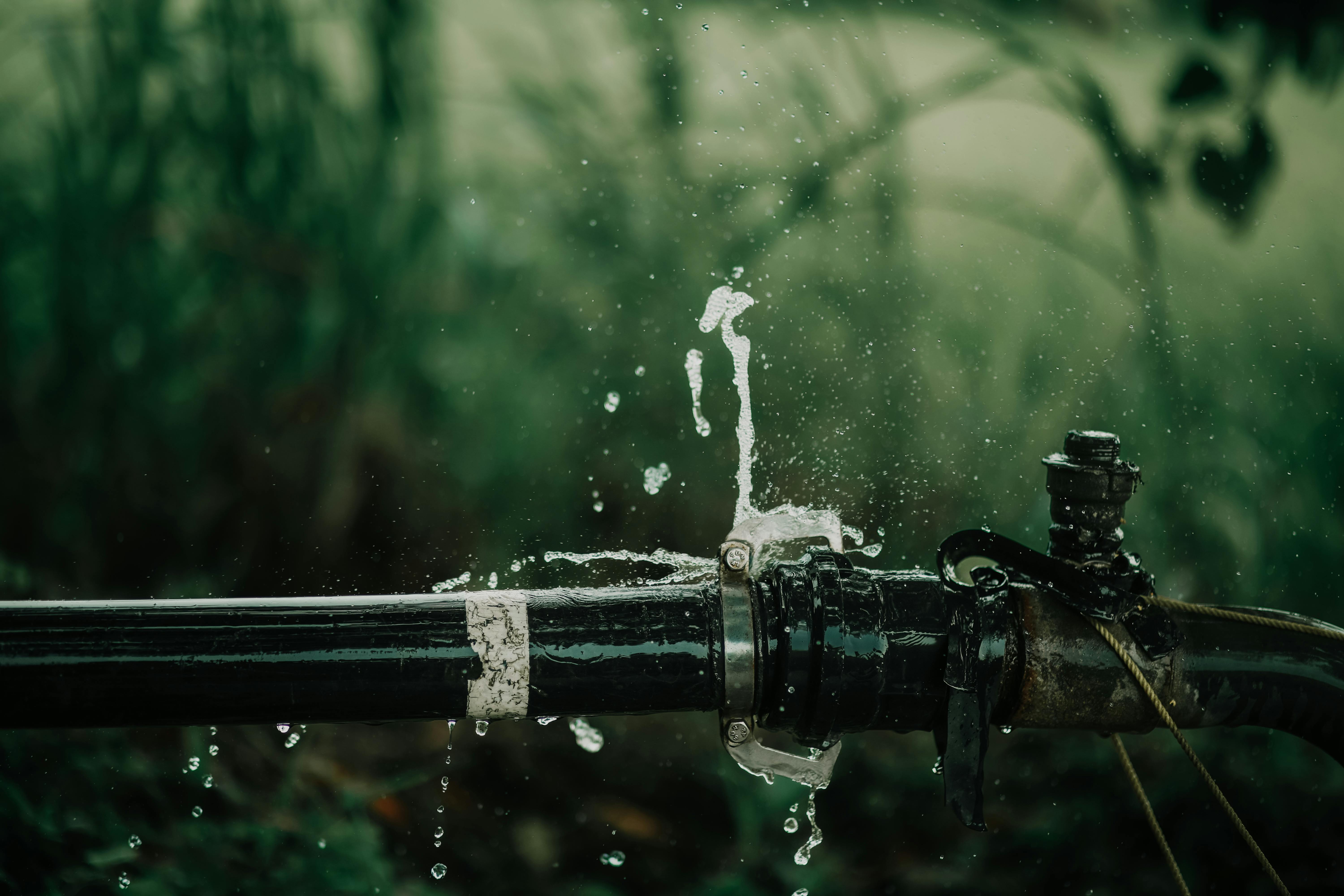
What Qualifies as a Plumbing Emergency?
A plumbing emergency is any situation that threatens:
- The safety of occupants
- The structural integrity of the property
- Major water damage to the home
- Sanitation and health conditions
- Immediate loss of essential plumbing services
If the problem is actively causing damage or has the potential to cause significant damage within hours, emergency service is typically justified.
Call an Emergency Plumber Immediately If You Notice:
1. Burst Pipes
A burst pipe can release gallons of water in minutes.
Common causes include:
- Frozen pipes during winter weather
- Aging galvanized pipes
- Excessive water pressure
- Corrosion
- Accidental construction damage
Immediate actions:
- Shut off the main water supply.
- Turn off electricity in affected areas if safe.
- Move valuables away from standing water.
- Contact an emergency plumber.
Waiting until normal business hours can result in extensive water damage to walls, flooring, insulation, and foundations.
2. Major Water Leaks You Cannot Control
A dripping faucet is annoying. A leak that continues pouring water despite shutting off local valves is an emergency.
Warning signs include:
- Water pooling rapidly
- Ceiling leaks
- Water running behind walls
- Sudden drops in water pressure combined with visible water damage
Large leaks often remain hidden until significant damage has already occurred.
3. Sewer Backup Inside the Property
A sewer backup is one of the most urgent plumbing situations.
Signs include:
- Sewage coming up through floor drains
- Wastewater backing into tubs or showers
- Multiple drains clogging simultaneously
- Strong sewage odors indoors
Sewage contains harmful bacteria and contaminants that can create serious health hazards.
Do not continue using sinks, toilets, or appliances connected to the drainage system until the problem is addressed.
4. No Water Throughout the Property
A complete loss of water service may indicate:
- A failed pressure regulator
- A major leak
- Frozen pipes
- Municipal supply problems
- Well system failures
Before calling a plumber:
- Check with neighbors.
- Contact your local utility provider.
- Verify there is no scheduled maintenance.
If the issue appears isolated to your property, immediate professional diagnosis is often necessary.
5. Water Heater Failure During Extreme Weather
In many parts of the United States, hot water is considered an essential service.
Emergency service may be warranted if:
- The water heater is leaking heavily
- The unit is making loud popping or banging noises
- There is evidence of gas leaks
- Water is overheating dangerously
- The failure affects a multi-unit property or commercial operation
Gas-related concerns require immediate attention.
If you smell gas, leave the area and contact emergency services and your utility provider.
6. Frozen Pipes at Risk of Bursting
Northern states regularly experience pipe freezes during winter cold snaps.
Warning signs include:
- Reduced water flow
- Frost on exposed pipes
- Unusual pipe noises
- No water from specific fixtures
A frozen pipe that has not burst yet is often easier and less expensive to address than a burst pipe after thawing.
Plumbing Problems That Usually Qualify for Regular Repairs
Not every issue requires emergency rates.
The following problems can often wait for a scheduled appointment if they are not actively causing damage.
1. Dripping Faucets
While wasteful, most faucet leaks are manageable short-term.
Schedule service if:
- Water usage is increasing
- Fixtures are deteriorating
- The leak becomes worse
2. Slow Drains
A single slow drain generally indicates a localized blockage.
Examples include:
- Bathroom sink buildup
- Hair clogs
- Kitchen grease accumulation
If multiple drains become slow at the same time, the issue may be more serious and require immediate evaluation.
3. Running Toilets
A running toilet can waste hundreds of gallons of water each day, but it rarely requires emergency service.
Typical causes include:
- Faulty flappers
- Fill valve issues
- Improper float adjustments
4. Minor Water Heater Performance Issues
Consider a standard appointment if:
- Water temperature fluctuates occasionally
- Recovery time is slower than normal
- The system needs routine maintenance
These issues usually develop gradually rather than suddenly.
5. Small Fixture Leaks
Minor leaks beneath sinks or around fixtures can often wait a short period if:
- The leak is contained
- Damage is not occurring
- Water can be shut off locally
Monitor closely until the plumber arrives.
Emergency vs. Regular Repair Checklist
Use this quick assessment before making the call.
Emergency Plumbing Indicators
✅ Water is actively damaging property
✅ Sewage is entering living spaces
✅ Burst or frozen pipes are involved
✅ No water service exists throughout the property
✅ Water heater is leaking significantly
✅ Health or safety risks are present
✅ Damage could worsen substantially within hours
Result: Call an emergency plumber.
Standard Repair Indicators
✅ The issue is stable
✅ Water can be shut off locally
✅ No active property damage is occurring
✅ Sanitation systems remain functional
✅ The problem has existed for days or weeks without escalation
Result: Schedule a regular plumbing appointment.
Steps to Minimize Damage Before the Plumber Arrives
Regardless of the severity of the issue, taking quick action can reduce repair costs.
Step 1: Locate the Main Water Shutoff
Every homeowner and property manager should know where the main shutoff valve is located.
Common locations include:
- Basements
- Utility rooms
- Crawl spaces
- Garage areas
- Near exterior foundations
Step 2: Document the Damage
Take photos and videos of:
- Water intrusion
- Damaged materials
- Affected appliances
- Standing water
This documentation may help with insurance claims.
Step 3: Remove Valuables
Move:
- Electronics
- Furniture
- Documents
- Personal belongings
away from affected areas.
Step 4: Contain the Water
Use:
- Buckets
- Towels
- Wet vacuums
- Temporary barriers
to limit damage until professionals arrive.
Step 5: Avoid DIY Repairs Beyond Basic Mitigation
Temporary measures are acceptable.
Permanent repairs performed without proper training can:
- Void warranties
- Violate local building codes
- Create insurance complications
- Increase repair costs later
How to Verify a Plumber's Credentials Before Hiring
Even during emergencies, spend a few minutes confirming credentials.
Better Business Bureau (BBB)
The BBB helps consumers evaluate businesses through:
- Customer complaint histories
- Business profiles
- Accreditation status
- Consumer reviews
How it helps: You can identify patterns of unresolved complaints and verify whether a company has a documented history of addressing customer concerns.
Angi (Formerly Angie's List)
Angi provides:
- Customer reviews
- Service categories
- Project experiences
- Contractor profiles
How it helps: Homeowners can compare service providers based on real customer feedback and past project performance.
State Licensing Boards
Most states regulate plumbing contractors through licensing authorities.
Consumers should verify:
- Active license status
- Expiration dates
- Disciplinary actions
- Insurance requirements
How it helps: Licensing boards provide the most authoritative source for confirming legal eligibility to perform plumbing work in a specific state.
Questions to Ask Before Hiring Any Plumber
Whether it's an emergency call or routine repair, ask:
- Are you licensed in this state?
- Do you carry liability insurance?
- Do you provide written estimates?
- Is emergency pricing different from standard rates?
- What warranties do you offer?
- Will permits be required?
- Who performs the work—employees or subcontractors?
- Can you provide references if requested?
Clear answers help reduce misunderstandings and unexpected costs.
Common Mistakes Homeowners Make During Plumbing Emergencies
Avoid these costly errors:
- Waiting too long to shut off water
- Ignoring small leaks that become major failures
- Hiring the first contractor without verification
- Accepting verbal estimates only
- Attempting major DIY plumbing repairs
- Failing to document damage for insurance purposes
A few minutes of due diligence can save thousands of dollars.
Final Thoughts
The key difference between an emergency plumber and a regular repair appointment comes down to one question: Is the problem actively causing damage, creating a health risk, or threatening essential services?
When the answer is yes, immediate professional intervention is usually the safest and most cost-effective choice. When the issue is stable and contained, a scheduled repair often makes more financial sense. Before hiring any contractor, verify credentials through trusted resources such as the BBB, Angi, and your state's licensing board, then compare estimates and service terms carefully. For local recommendations, consult regional directories and city-specific service listings to find qualified plumbing professionals in your area.