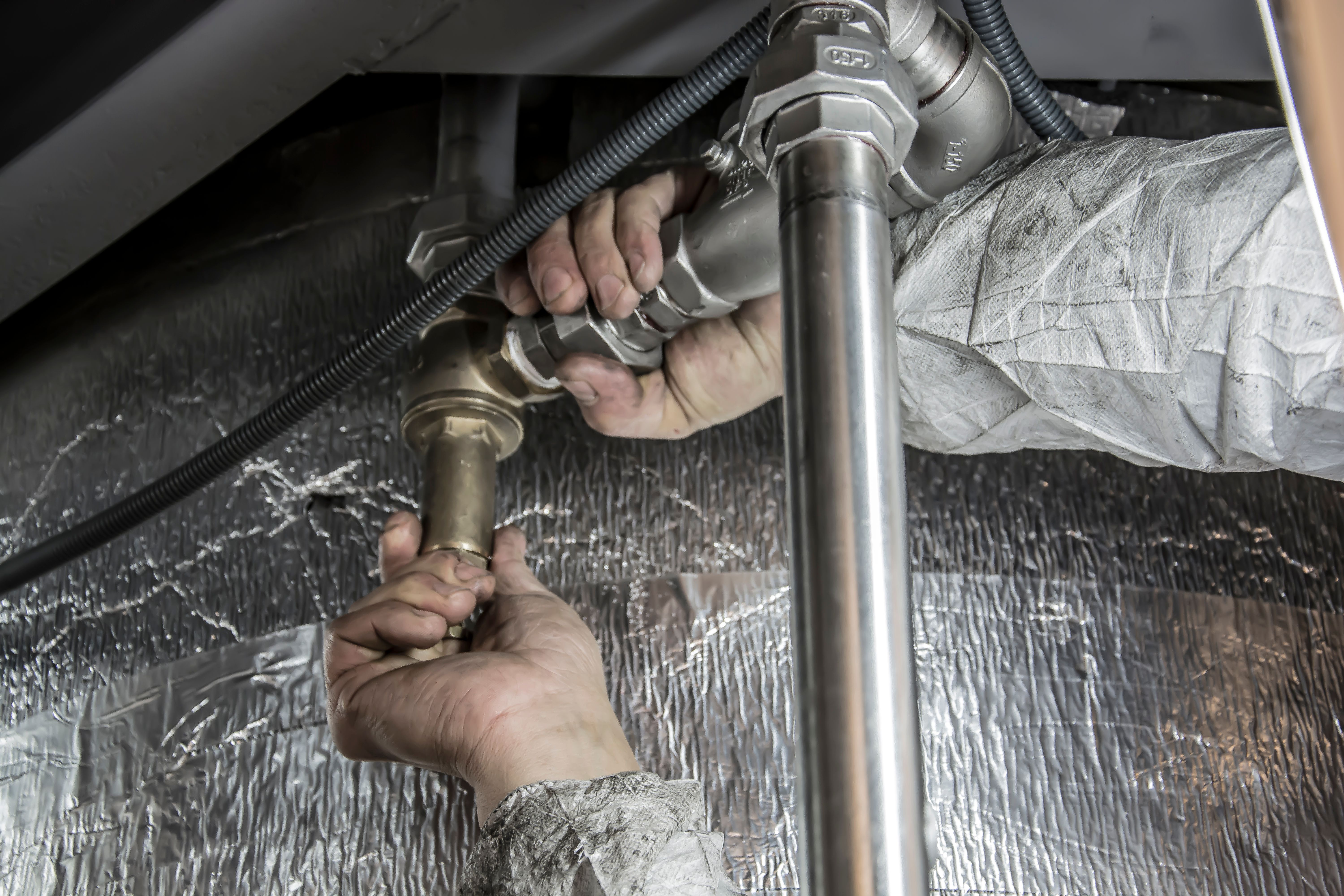
When Something Goes Wrong at Home, Every Minute Matters. A burst pipe, electrical issue, or sewage backup can turn an ordinary day into a stressful situation within minutes. Whether you're dealing with a frozen pipe during a Midwest cold snap, a flooded basement after heavy rain near the Gulf Coast, or a power-related emergency during a California heatwave, knowing what to do before a technician arrives can reduce damage and keep your family safe.
Here are five of the most common home emergencies across the United States and the steps homeowners should take immediately.
1. Burst or Leaking Water Pipe
Water damage spreads fast. A pipe can release hundreds of gallons before a plumber reaches your property.
What to Do Right Away
- Shut off the main water supply immediately. Every household should know where the main shutoff valve is located.
- Move furniture, electronics, and valuables away from the affected area.
- Use towels, buckets, or a wet vacuum to contain standing water.
- Take photos of the damage for insurance documentation.
What to Ask the Plumber Before Arrival
- Can you estimate arrival time and whether emergency restoration services are needed?
- Should the water remain off until repairs are completed?
- Are there signs that the leak may have affected other parts of the plumbing system?
- Will replacement materials be stocked on the truck?
Trusted Emergency Plumbing Networks
- Roto-Rooter: The largest provider of plumbing repair and emergency drain services in the United States.
- Availability: 24/7/365 Nationwide Support.
- Contact: Check your local regional directory or ZIP code branch.
- Mr. Rooter Plumbing (Neighborly Group): Known for upfront pricing and certified professional emergency plumbers.
- Availability: Around-the-clock response teams.
- Contact: Check our regional subdirectories for local dispatch.
2. Electrical Failure or Burning Smell
If you smell burning plastic, see sparks, or experience sudden power loss in part of the home, treat the situation seriously.
What to Do Right Away
- Turn off power at the main breaker if it can be done safely.
- Avoid touching outlets, switches, or exposed wiring.
- Unplug sensitive electronics if power remains available.
- Leave the area if smoke is present and call emergency services if necessary.
What to Ask the Electrician Before Arrival
- Is it safe to remain in the home?
- Should specific circuits remain off?
- Could the issue be related to the main panel or utility connection?
- Will thermal imaging or diagnostic testing be performed?
Recommended Emergency Electrical Services
- Mr. Electric (Neighborly Group): A nationwide network of licensed electricians equipped for urgent residential diagnostics.
- Availability: 24/7 emergency dispatch.
- Contact: Search local listings or our state subdomains.
- Independent Certified Electricians: For urgent situations, always look for local contractors with active state-level licensing and 24-hour dispatch availability.
3. Sewer Backup
A sewer backup is more than an inconvenience. It can create significant health risks within hours.
What to Do Right Away
- Keep people and pets away from contaminated areas.
- Stop using sinks, toilets, showers, and washing machines.
- Open windows if conditions allow for ventilation.
- Avoid direct contact with wastewater.
What to Ask the Technician Before Arrival
- Is the backup likely inside the home or in the municipal line?
- Should water usage stop completely?
- Will camera inspection equipment be used?
- Are sanitation and cleanup services available after repairs?
Leading Sewer & Drain Solutions
- Rescue Rooter / ARS: A trusted national network specializing in major sewer line diagnostics and emergency rooter services.
- Availability: 24/7 urgent dispatch team.
- Contact: Locate your nearest metropolitan office.
- Local Municipal Utility Authority: If the backup originates from the street line, contact your city's emergency utility line immediately.
4. HVAC Breakdown During Extreme Weather
A failed heating or cooling system can quickly become dangerous. This is especially true during Arizona summer heat, Texas heatwaves, or sub-freezing winter conditions across the Northeast and Midwest.
What to Do Right Away
- Check the thermostat settings and replace batteries if needed.
- Inspect the air filter for severe blockage.
- Keep doors and windows closed to maintain indoor temperature.
- Move vulnerable family members to a safer environment if indoor temperatures become extreme.
What to Ask the HVAC Technician Before Arrival
- Is there anything that can be safely reset before service?
- Should the system remain powered off?
- Are common replacement parts available?
- Could the issue involve the thermostat, compressor, or furnace ignition system?
National Heating & Cooling Networks
- Aire Serv (Neighborly Group): Offers emergency air conditioning and heating system restorations across multiple US states.
- Availability: Emergency technicians available day and night.
- Contact: Check your local city branch directory.
- One Hour Heating & Air Conditioning: Known for rapid dispatch guarantees during extreme seasonal weather shifts.
- Availability: 24/7 HVAC response network.
5. Roof Leak After a Storm
Roof leaks often appear after heavy rain, hail, or strong winds. Homeowners near hurricane-prone coastal regions or areas along major storm corridors such as I-35 and I-95 frequently face this issue.
What to Do Right Away
- Place buckets or containers beneath active leaks.
- Move furniture and electronics away from the affected area.
- If safe, document visible damage with photos.
- Do not climb onto the roof during storms or high winds.
What to Ask the Roofing Contractor Before Arrival
- Is temporary tarping available?
- Can emergency repairs be completed the same day?
- Will a full inspection of flashing and underlayment be performed?
- Can documentation be provided for insurance claims?
Emergency Storm Damage & Roofing Support
- National Commercial & Residential Contractors: For storm-driven emergencies, prioritize local roofers who offer immediate tarping services to prevent structural damage.
- Availability: 24/7 post-storm emergency dispatch.
- Contact: Review local listings within your county or check our designated regional pages.
Stay Safe While Waiting for Professional Help
The first few minutes after a home emergency often determine how much damage occurs. Focus on protecting people first, then limiting damage where it can be done safely. When contacting a contractor, confirm that they are properly licensed, insured, and experienced with emergency response work.
A fast call helps, but the right actions before help arrives can make an even bigger difference. For specific city listings and direct emergency assistance, please navigate to our local regional directories.